Know what you're selling before you list it.
MapCheck turns complex planning laws and environmental constraints into plain-English reports. Due diligence that changes how the whole campaign runs.
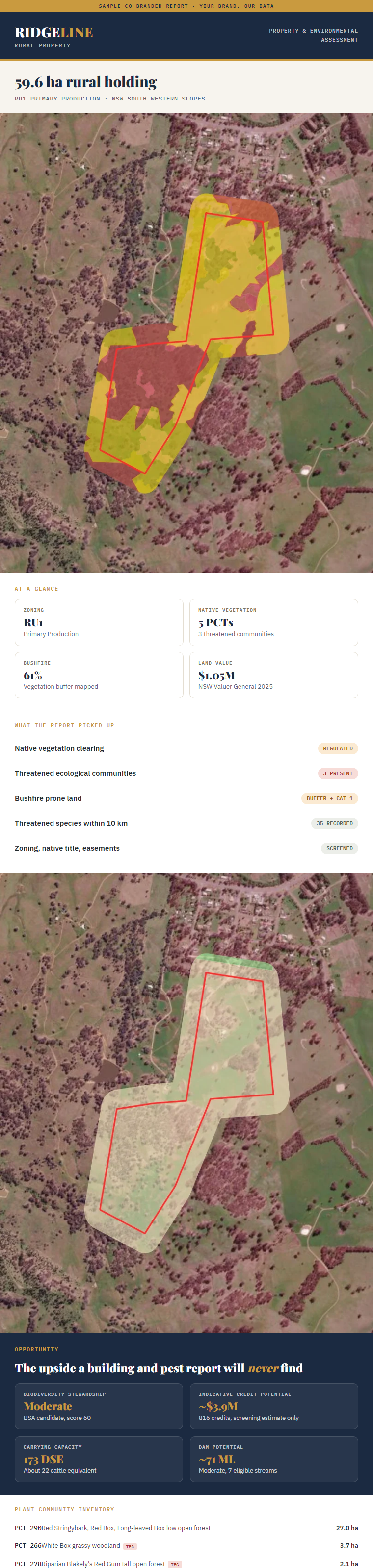
Bring the point of difference.
Turn up to the appraisal across the whole property, then run a campaign built on what the land actually is. What you fix, what you price, and how you negotiate all change.
Win the listing
Turn up to the appraisal with the full picture, no hidden surprises. You look like the expert because you're across it, and you set the vendor's expectations early.
The worst time to discover a problem is after you've gone to market. Assessing upfront tells you the constraints you need to navigate while you still have time to prepare, not react.
- Clearing rules, buffers and offset liabilities the contract omits
- Flood, bushfire and easement overlays
- Time to fix it or price for it before you list
Stand out
An active listing with a MapCheck report signals diligence and pulls in serious, prepared buyers. Be the agent armed with the knowledge to drive the negotiation.
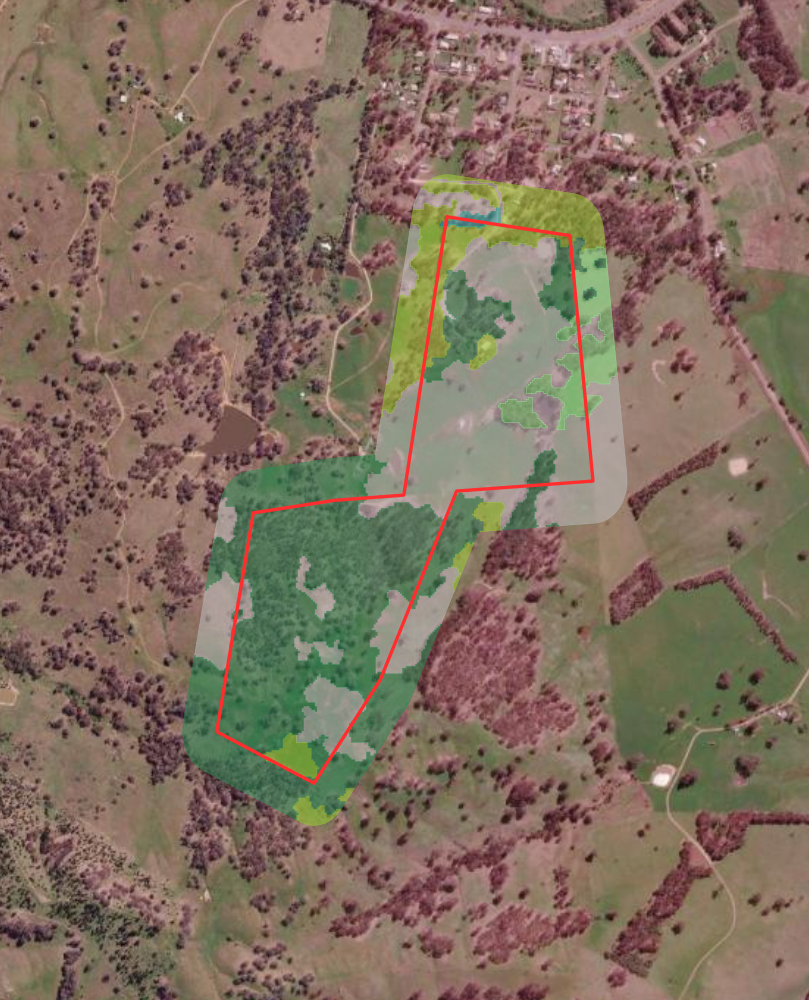
The same land that flags a constraint can reveal an opportunity no building and pest inspection will find. Regulated vegetation can carry biodiversity credit potential under a stewardship agreement, a defensible figure that gives a buyer a reason to pay more.
- Removes the doubt a buyer would negotiate against
- Surfaces biodiversity credit upside a pest report misses
- Gives your vendor a defensible figure to hold the line on
A constraint to one buyer is an income stream to another.
Close the sale cleaner
If there's an issue, you've already dealt with it or priced for it. Buyers make stronger, cleaner offers when there's nothing left to find.
The report gives you a picture that goes beyond what a standard contract or planning certificate shows, so there's less left for a buyer's checks to turn up and negotiate against.
- You go in across more than the buyer's checks will surface
- Fewer surprises, fewer gaps to leverage
- Cleaner, faster offers on the table
Confident buyers make serious offers, and when the diligence is already done, it happens fast.
New buyer opened your MapCheck report
Get the buyer, too
When a buyer unlocks the report through your listing link, their details come to you. A warm, serious lead handed straight back, not just a name on the open-home sheet.
You get a live read on who is genuinely engaged with the property, so you can follow up the buyers who matter while the interest is fresh.
- Every buyer who opens the report via your link is flagged to you
- Basic buyer details, not just a sign-in sheet
- See who is genuinely engaged, and follow up first
Three things, not just a report.
Every listing you bring to MapCheck comes back as more than a document. You get the property assessment, a summary written for you, and the buyer leads it draws in.
The property report
A plain-English read on the whole property, with a one-page dashboard summary you can act from.
- Land use capabilities — what the property supports
- Environmental flags — what is protected or regulated
- Natural assets and land values — where the upside may sit
Supporting cover letter
A summary written for you, not the buyer: the headline flags, what each one means, and how it relates to the property.
- Written for the agent, in plain language
- The headline findings, explained
- Walk into the campaign prepared for the questions
Lead notifications and buyer detail
Every prospective buyer who opens the report through your listing link is flagged to you, with their basic details.
- A live read on who is genuinely engaged
- Basic buyer details, sent to you
- More than a name on the open-home sheet
Drag the slider. See what the aerial leaves out.
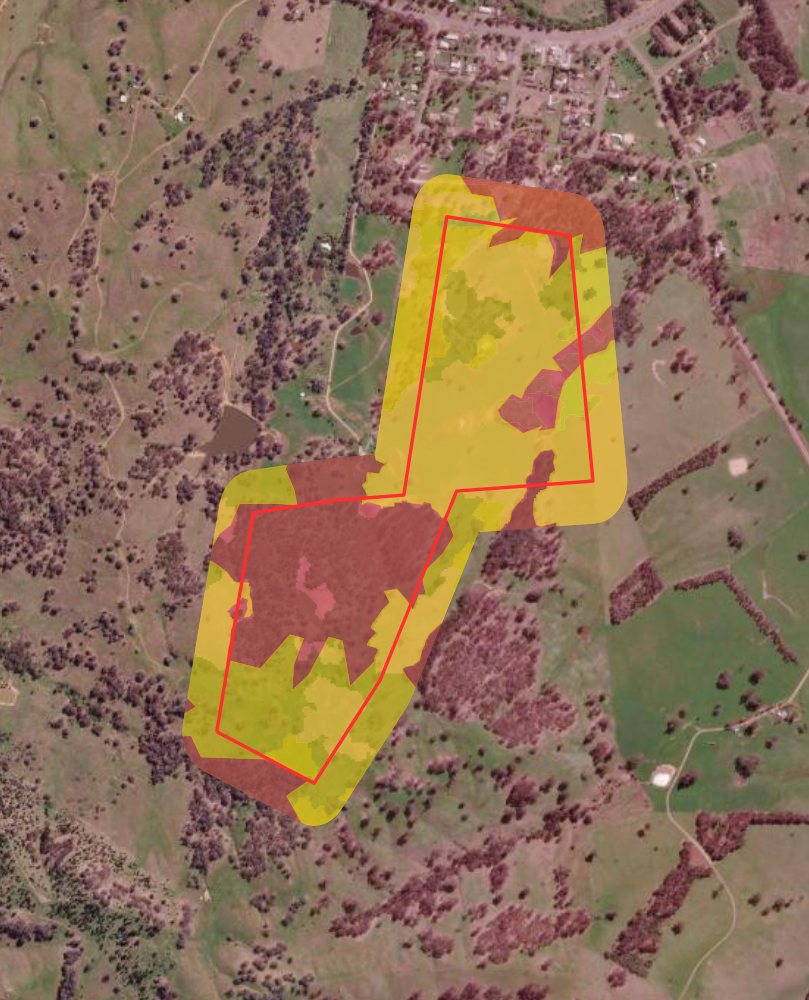
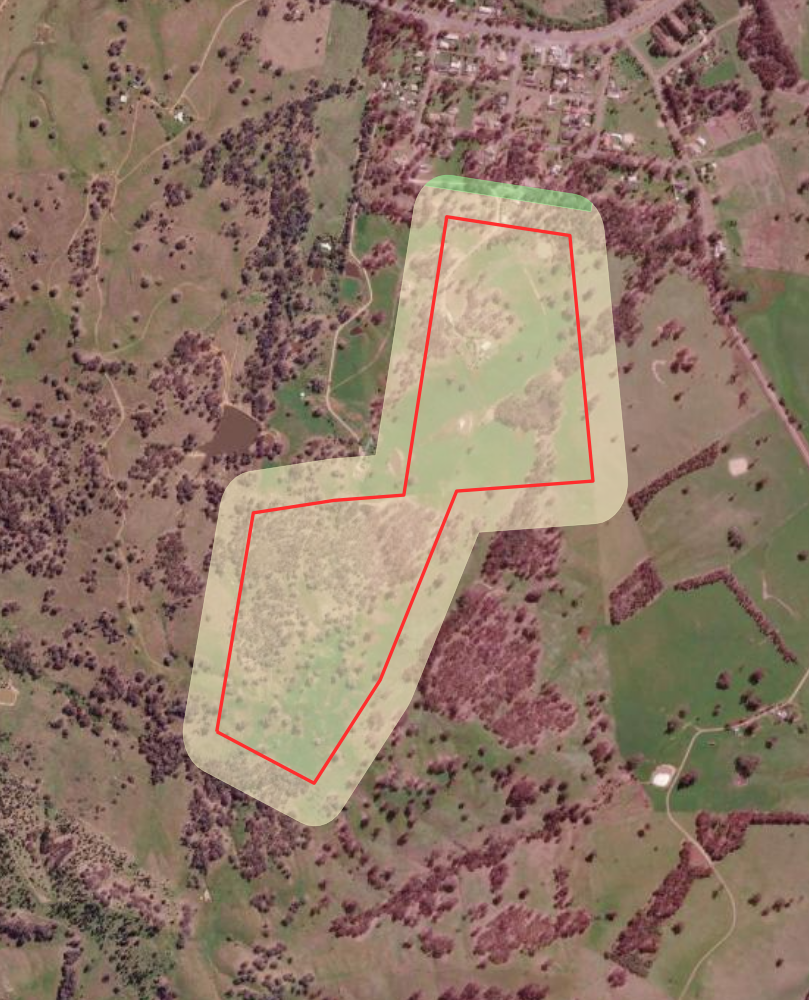
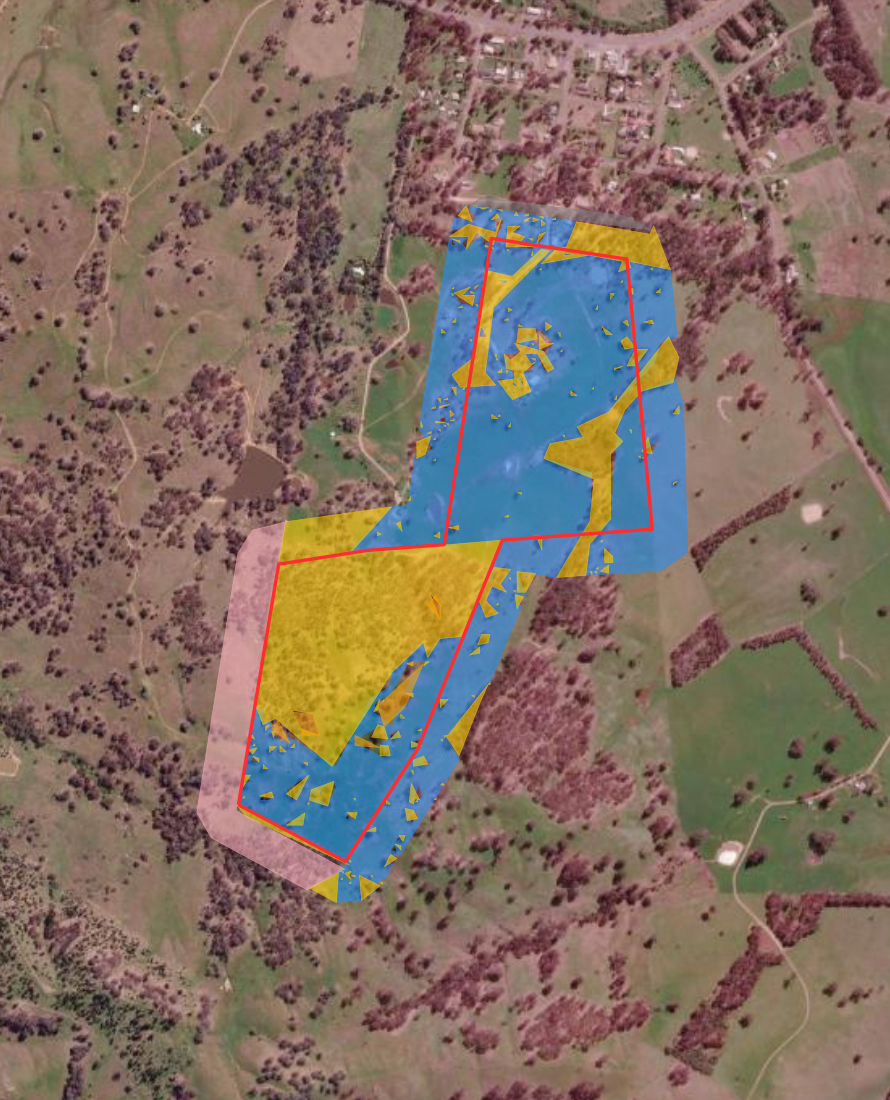
Explore the sample below, then search your own listing to see the same data on your parcel. Pick a layer and drag: the left is the aerial anyone can see, the right is what a MapCheck report puts on the same parcel.
Enter your work email to preview your own listing on the map. The sample stays free to explore, no card needed.
Unlock and you agree to receive property market insights from MapCheck. We never publish your searches. Unsubscribe anytime.
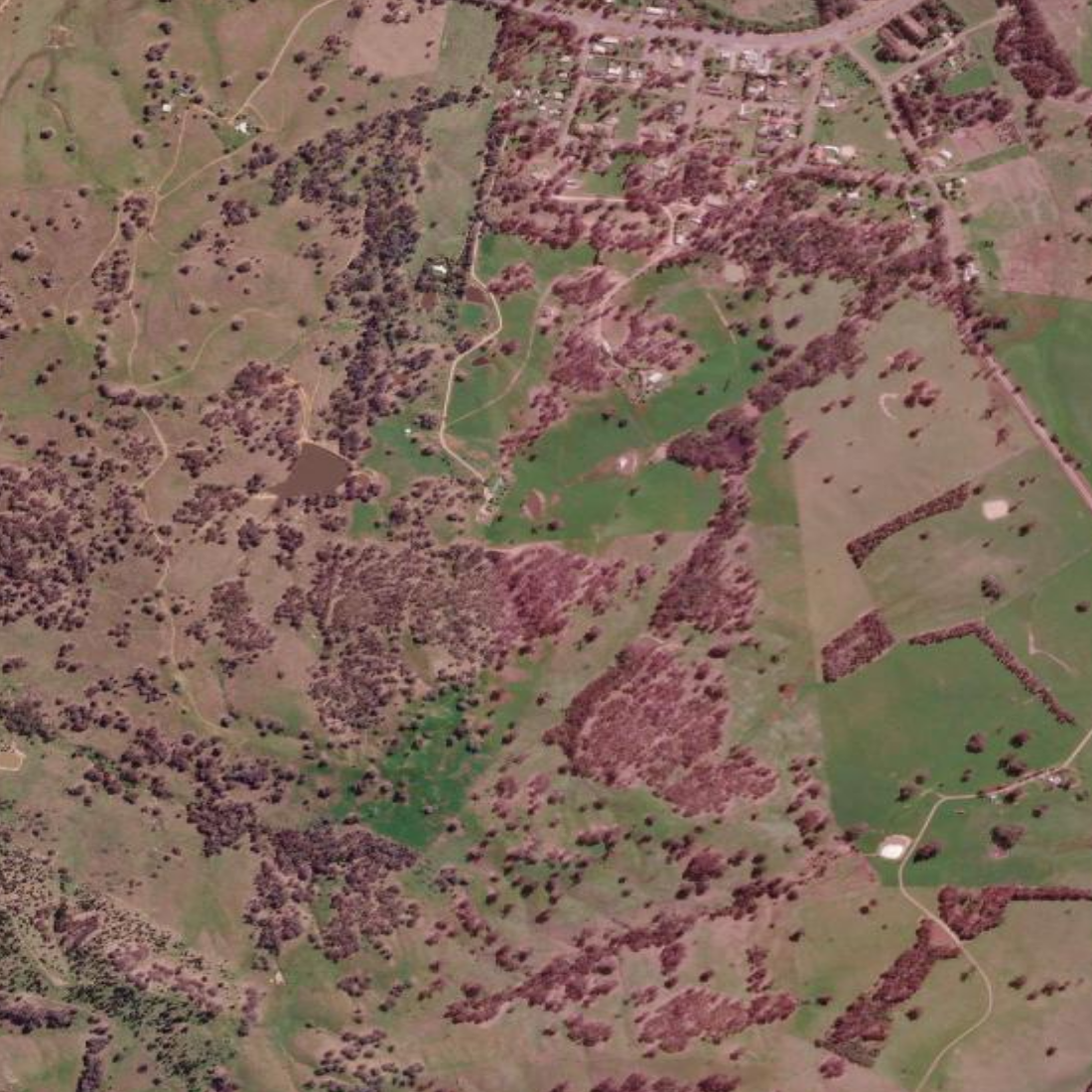
 Listing view
Native vegetation
Listing view
Native vegetation
What can be cleared
The NSW Native Vegetation Regulatory map sets whether clearing on the land is exempt or regulated. Regulated vegetation means a buyer may need an approval pathway before they clear.
Simple as four steps.
Supporting both agent and landowner in building the right sales campaign.
Appraisal preparation
Provide the property address and you receive the property report plus a cover letter. Arrive informed, focused on the sale.
First vendor meeting
Win the listing. Set the vendor's expectations early and build the campaign to suit the property's strengths and risks.
Add MapCheck to your listing
The owner makes a marketing contribution to reduce what buyers pay, and buyers unlock the report through a unique, shareable link.
Lead notifications
As a buyer unlocks the report, you're notified with their basic details. Warm leads handed straight back.
Pricing designed to help.
The higher the marketing contribution the vendor makes, the lower the buyer's access price, dropping from $1,499 down to as low as $199. An active listing with diligence pulls in serious, prepared buyers.
No one buys the report? MapCheck refunds the vendor's marketing contribution in full.
Open access: vendor fully funds it at $1,499
Want every buyer to see the report with no paywall? Access is free to all buyers, the widest possible reach. Because buyers pay nothing, there is no buyer revenue to draw a refund from, so this option is fixed with no refund.
Check your listing. Your first report is free.
Bring a new listing, claim your free report, and turn up to the appraisal across the whole property. No card needed.
No cost to your vendor · Delivered on demand · mapcheck.com.au