What environmental checks matter for NSW rural buyers
Before you sign anything, do you know what you're actually buying? NSW rural properties carry layers of regulation that standard searches don't...
4 min read
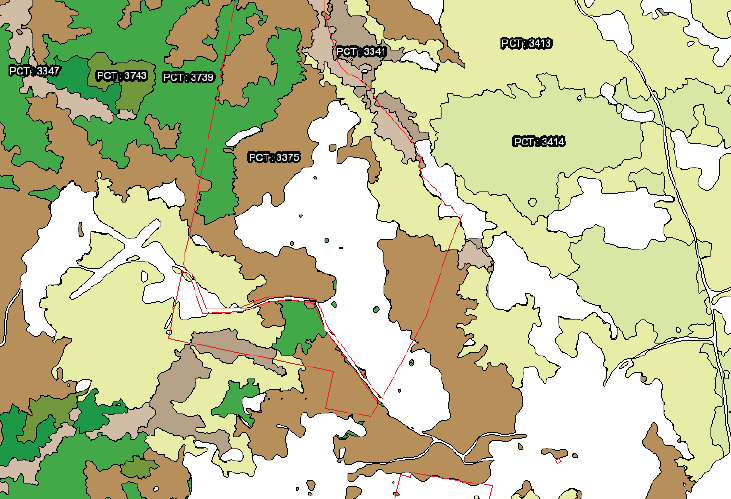
Understanding the complex web of NSW biodiversity regulations can be challenging for property owners, whether you're planning residential development on a small block, establishing operations on a hobby farm, or managing commercial agricultural holdings. The State Environmental Planning Policy (Biodiversity and Conservation) 2021 sets strict requirements that can significantly impact your project timeline and budget if not properly assessed from the outset.
This is where comprehensive biodiversity risk reports become invaluable tools for property owners and developers across NSW.
The updated planning framework for protecting and managing our natural environment supports the community's health, economic security and cultural identity, with the simplified framework starting on 21 November 2022 and consolidating provisions from 7 former chapters of biodiversity planning policies.
The Biodiversity and Conservation SEPP applies across multiple scenarios:
For property owners, this means that seemingly straightforward development plans can trigger complex assessment requirements depending on your land's location, zoning, and ecological values.
The biodiversity assessment requirements are triggered by three main thresholds:
Clearing of native vegetation exceeds specific area thresholds based on your property's minimum lot size. For example:
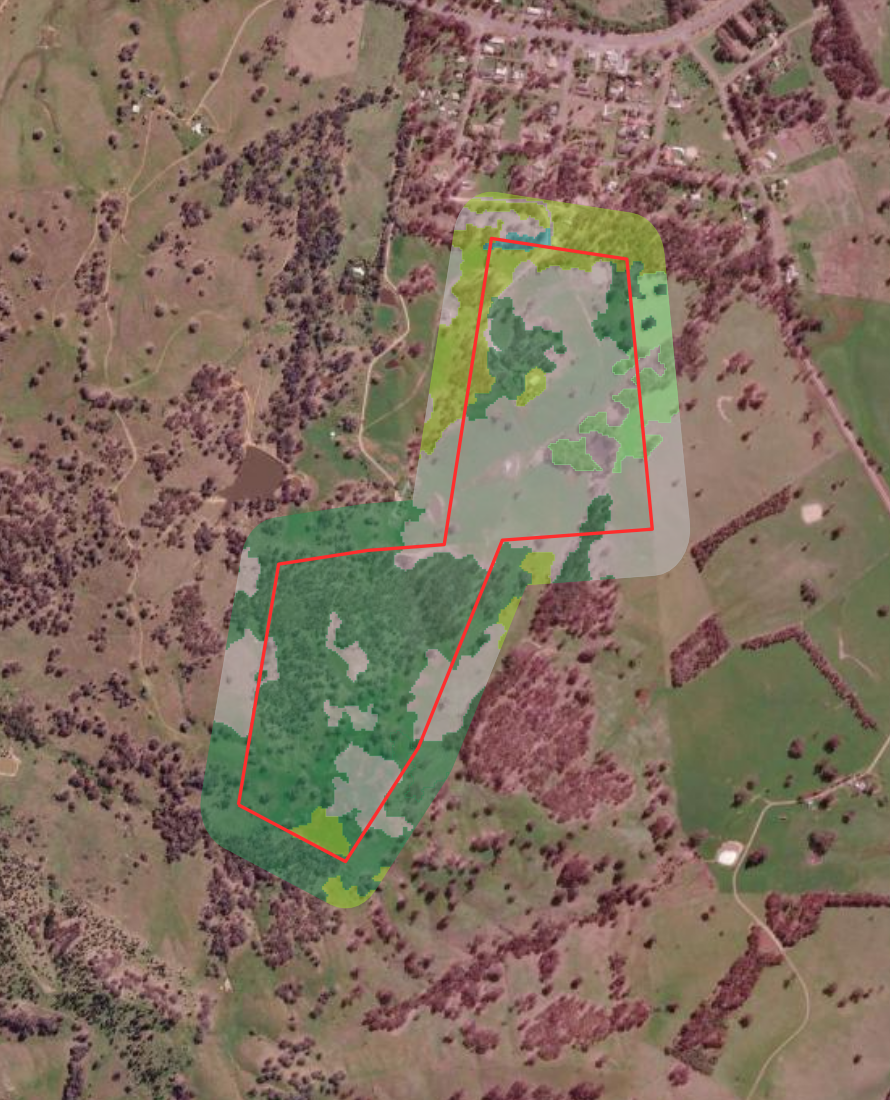
If your property is mapped 'purple' on the Biodiversity Values Map and you intend on clearing native vegetation, your development will trigger the Biodiversity Offset Scheme.
Any development likely to have a significant effect on threatened species or ecological communities requires formal biodiversity assessment.
Want this for your specific property?
A Property & Environmental Assessment runs your address through 140+ NSW datasets and gives you the full picture in 2 business days. 24-page report. Plain language. Designed to be read by a buyer, not an ecologist.
Order Property & Environmental Assessment - AU$1,499 →A well-prepared biodiversity risk report provides early-stage clarity on your property's regulatory requirements, helping you understand:
Before investing significant resources in detailed development plans, biodiversity risk reports identify potential regulatory triggers across your entire property. This includes:
Where possible, proposed developments should be sited within areas which have been previously cleared or currently disturbed. This may allow you to avoid triggering the requirement for a Biodiversity Development Assessment Report (BDAR) or will at least minimise any biodiversity offset obligation.
A comprehensive risk assessment enables you to:
Understanding your biodiversity obligations early prevents costly surprises during the development application process. The report helps estimate:
Even modest residential developments can trigger biodiversity requirements. Part 2.3 allows Councils to require permits to clear certain types of vegetation and provides rules around those permits. A biodiversity risk report helps homeowners understand:
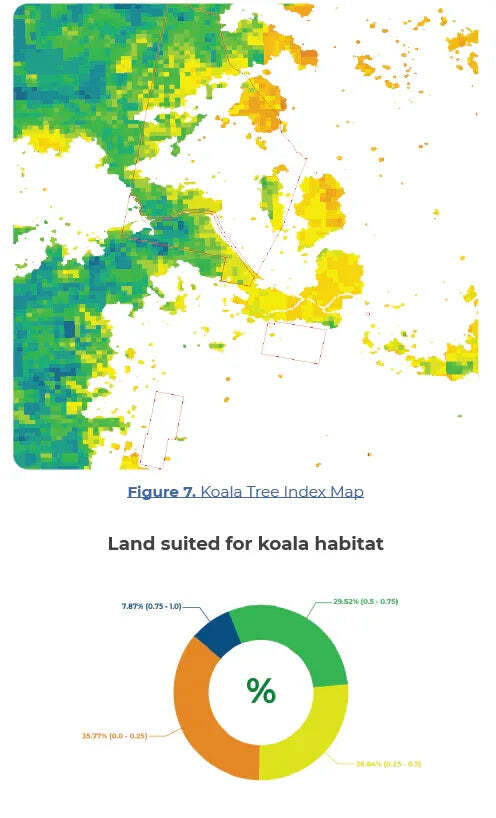
Rural lifestyle properties often straddle multiple regulatory frameworks. Part 2.5 allows landholders on land used for primary production in specified zones to go about certain daily activities without needing approval, but conditions apply. Risk assessments clarify:
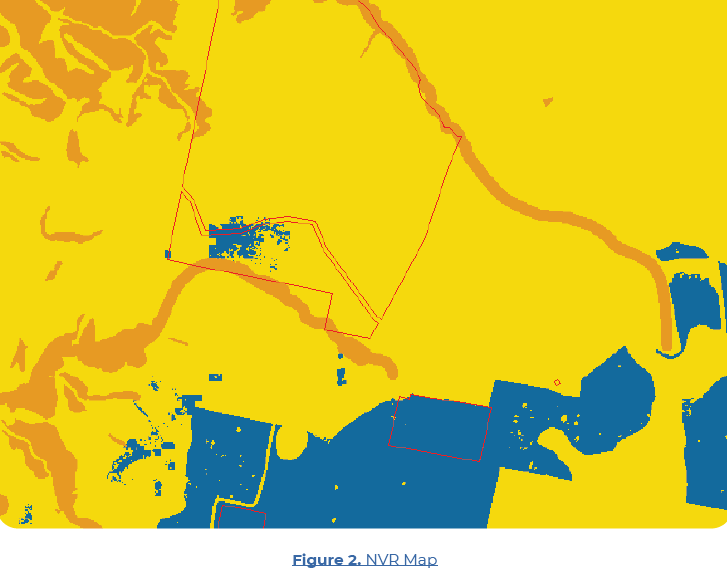
For larger agricultural enterprises, biodiversity compliance intersects with operational efficiency and profitability. Risk reports help support:
NSW biodiversity regulations are undergoing significant reform. The NSW Government's Plan for Nature offers some of the most positive reforms to the management of nature in NSW in more than a decade, with the NSW Government planning to overhaul the Biodiversity Conservation Act 2016, with a focus on net positive biodiversity offsetting.
These reforms include:
For property owners, these changes emphasise the importance of proactive biodiversity planning and the value of comprehensive risk assessments.
A strategic approach to biodiversity assessment can actually enhance your property's value and development potential by:
Private landholders like farmers and other large land owners may choose to pursue biodiversity certification and stewardship agreements on their properties, creating potential revenue streams through biodiversity credit sales.
Understanding your property's ecological constraints enables better long-term planning for:
Demonstrating proactive environmental stewardship through comprehensive biodiversity planning builds positive relationships with regulatory authorities and can streamline future approvals.
Whether you're planning a new home, expanding farming operations, or considering land purchase, early biodiversity risk assessment provides the foundation for successful project delivery.
Key actions include:
The complexity of NSW biodiversity regulations means that professional guidance is essential for navigating SEPP requirements effectively. By investing in comprehensive biodiversity risk assessment early in your planning process, you can avoid costly delays, optimise your development outcomes, and contribute to NSW's conservation objectives.
Ready to understand your property's biodiversity requirements? Purchase your report now for a 1-2 day turnaround to learn how a tailored risk assessment can support your development goals while ensuring full SEPP compliance.
This article provides general information about NSW biodiversity regulations and should not be relied upon as legal advice. Specific regulatory requirements vary by location and project type. Always consult with qualified professionals and relevant authorities for project-specific guidance.
New to the NSW terms above? See our plain-English glossary of NSW rural land terms - NVR, PCT, BSA credits, EEC, bushfire and riparian, all defined.
Before you sign anything, do you know what you're actually buying? NSW rural properties carry layers of regulation that standard searches don't...
Ask anyone who has taken an extractive industry proposal through the NSW planning system and they will tell you the same thing: the rock is usually...
Most vendors think of due diligence as the buyer's job, something that happens after an offer is on the table. A growing number are flipping that...
4 min read
In May 2026, the Commonwealth Government committed more than half a billion dollars over four years to modernise Australia's environmental approval...

3 min read
Buying rural property in NSW means inheriting a regulatory environment that doesn't always introduce itself politely. The Biodiversity Conservation...

3 min read
Most NSW farmers reading their Native Vegetation Regulatory (NVR) map look at the coloured zones and stop there. Category 1 unregulated, Category 2...